Championing sustainable food systems internationally
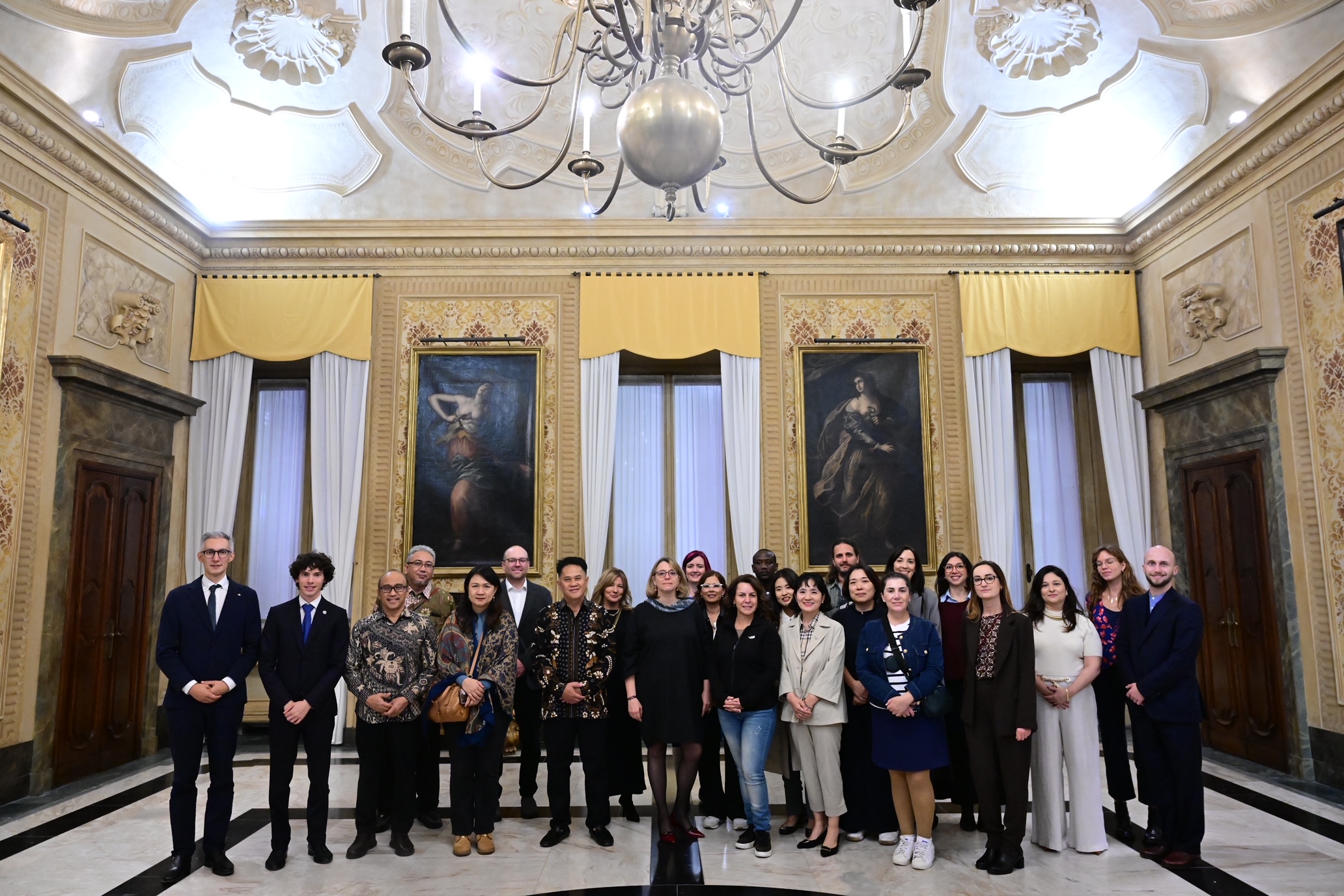
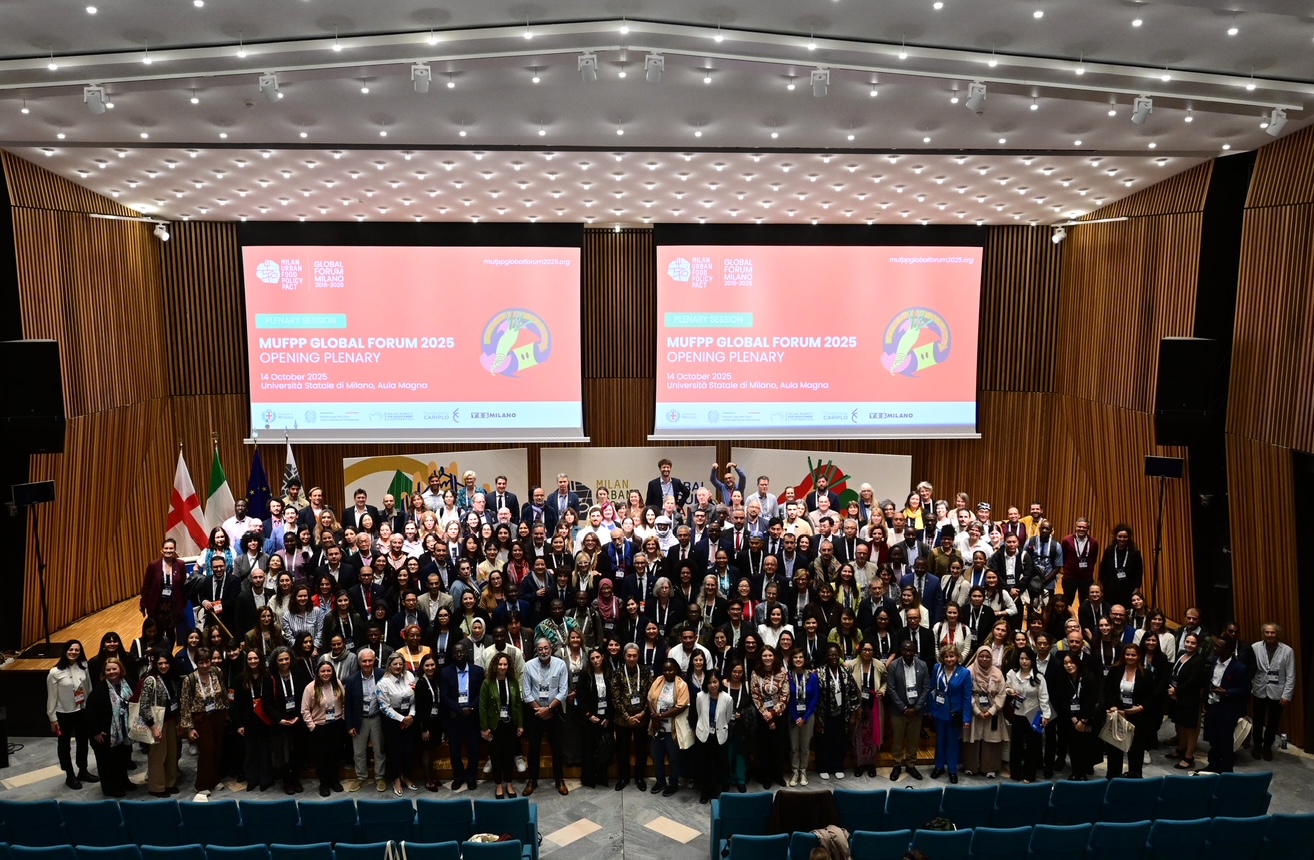
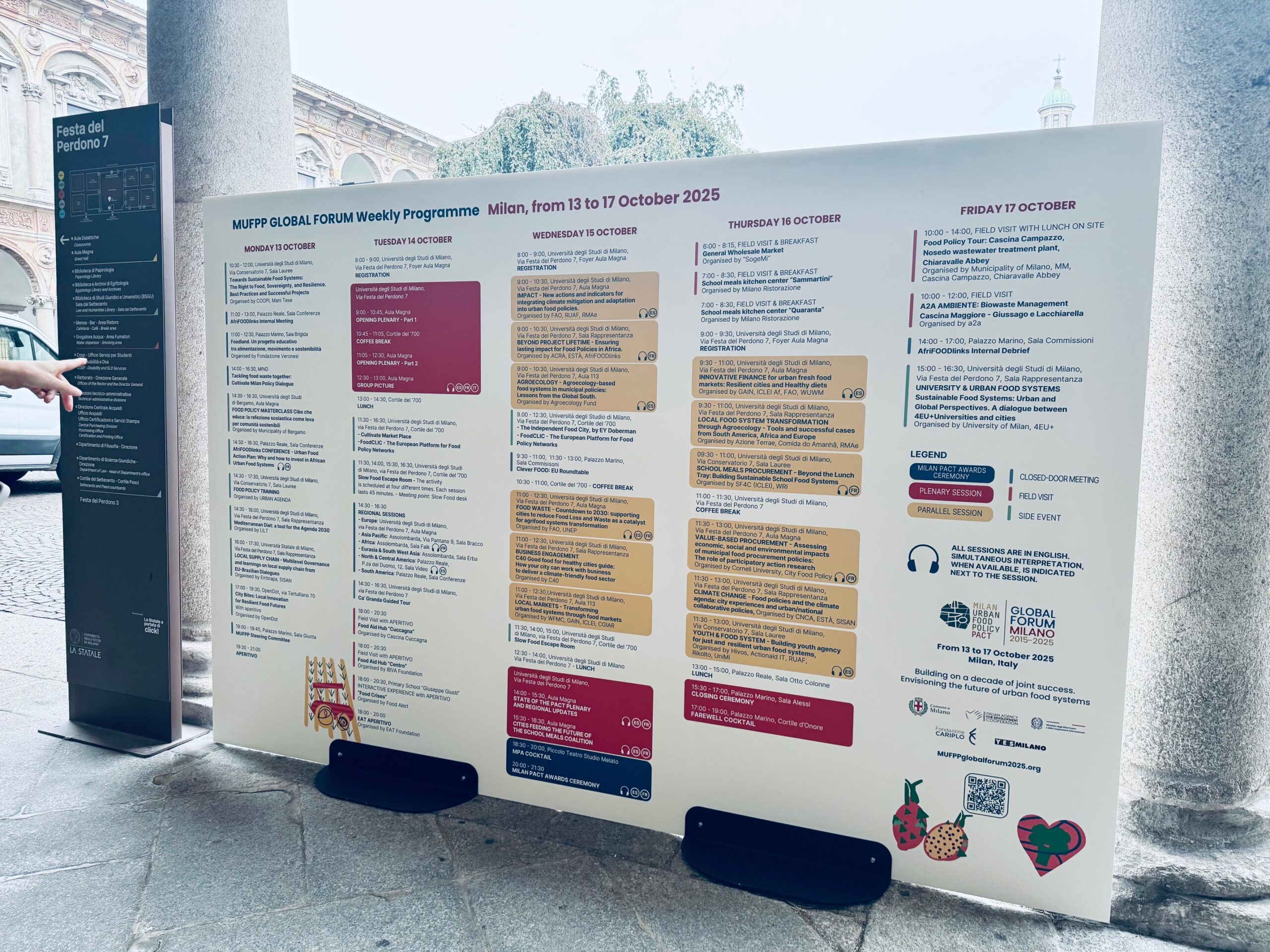
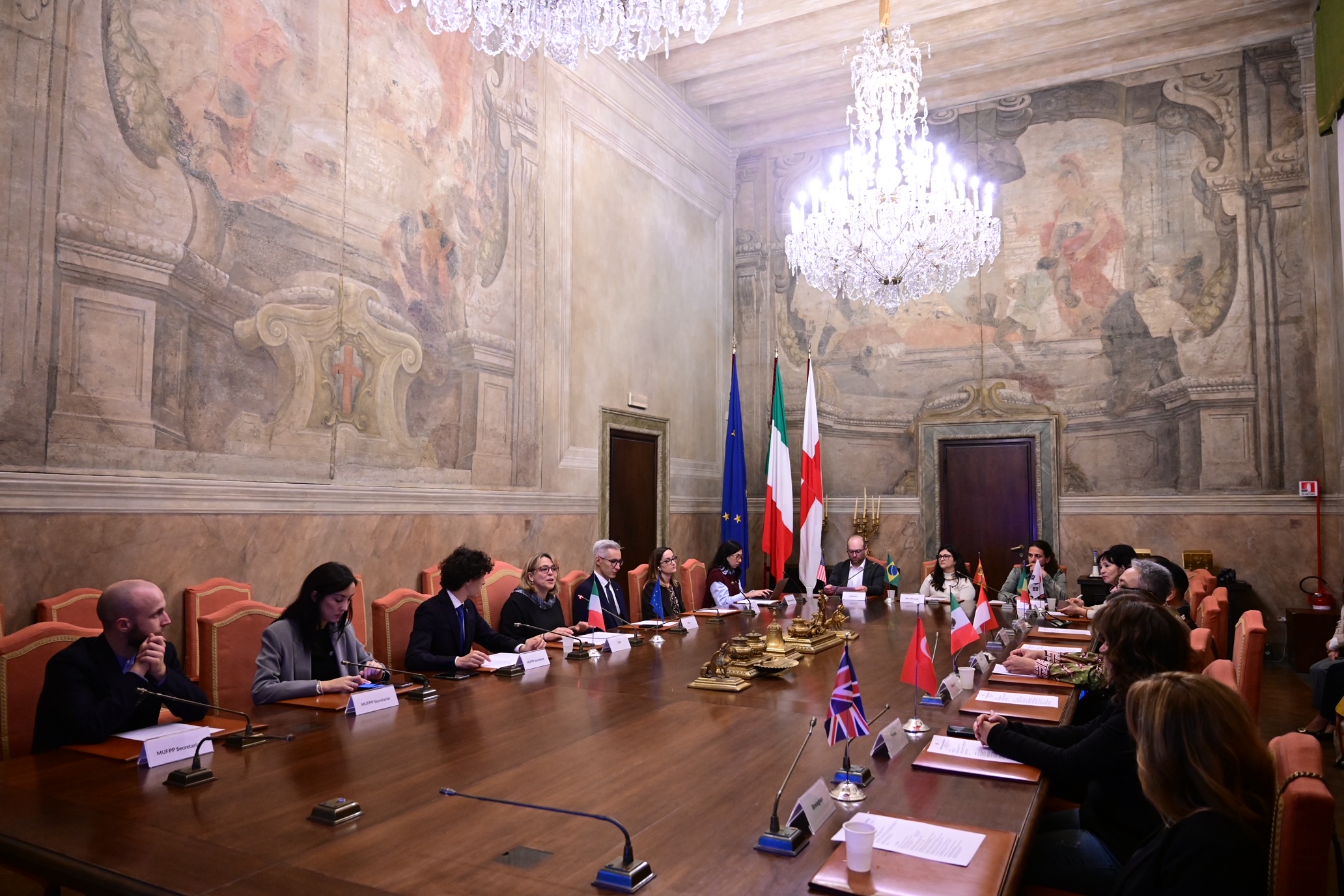
Earlier this month, Birmingham joined over 130 cities at the Milan Urban Food Policy Pact (MUFPP) Global Forum, marking a decade of international collaboration to transform urban food systems. Held in Milan during 13-17 October, the event brought together more than 500 delegates to reflect on progress and set priorities for the next ten years.
Representing Birmingham City Council were Helen Harrison, Assistant Director of Public Health (Healthy Behaviours and Communities), and Sarah Newton, Service Lead (Food System), supported through the Horizon Europe-funded Bauhaus Bites project—a pioneering initiative that connects food, community and climate action across seven European cities.
A leading voice in Europe
Birmingham’s presence at the MUFPP Global Forum was more than symbolic—it was strategic. As one of the two European cities represented in the MUFPP Secretariat, alongside Barcelona, Birmingham plays a pivotal role in shaping the direction of the world’s largest city-led food network.
Helen Harrison stood in for the Leader of the Council at the MUFPP Steering Group meeting, contributing to high-level discussions on the Pact’s future. Her participation ensured that Birmingham’s values – equity, sustainability, and community-led innovation – were embedded in the renewed commitments for the next decade.
The updated Pact calls for cities to move beyond planning and into action, with a sharper focus on implementation, integration and inclusion. This means embedding climate goals into food strategies, recognising the power of school meals as social protection tools, and investing in people, infrastructure and partnerships. Birmingham’s leadership helped shape these priorities, reinforcing its reputation as a city that doesn’t just talk about change—it delivers it.
Local innovation with global impact
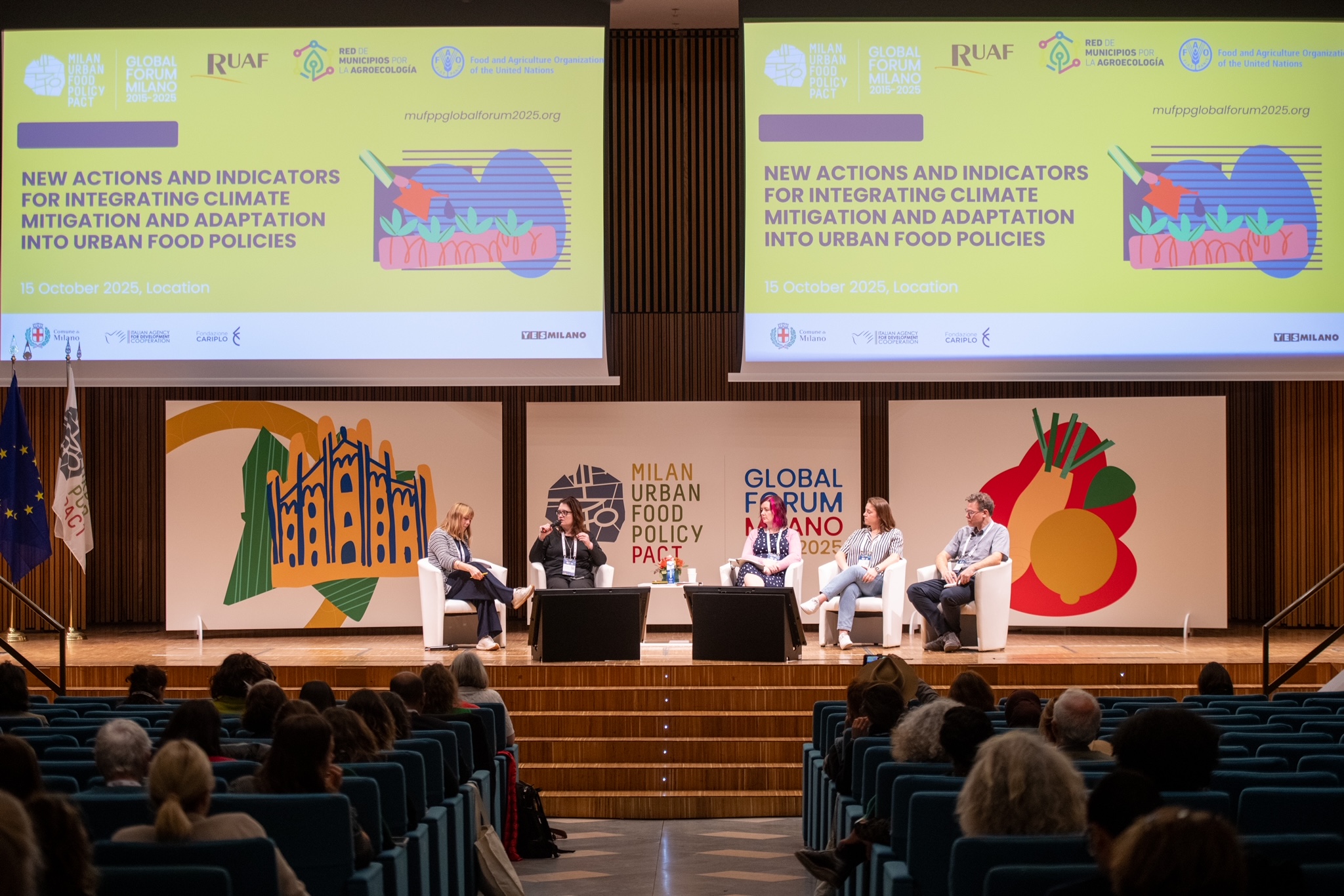
Sarah Newton showcased Birmingham’s innovative food policies in a series of workshops and sessions, sharing learning from the city’s award-winning Food System Strategy, the Food System Partnership, and the Bauhaus Bites project. Birmingham’s pilot, based in East Birmingham, uses food to promote inclusion, celebrate diversity and support sustainable living through community-led interventions.
The city’s work aligns closely with MUFPP priorities, and Birmingham’s contributions – from values-based procurement to climate-integrated food policy – are helping shape European frameworks for monitoring and evaluation.
From beans to biodiversity
Birmingham’s food transformation journey is rooted in practical, community-driven innovation—and pulses are at the heart of it. The launch of the city’s Full of Beans campaign was supported by the Horizon2020 Food Trails project, and introduced beans and pulses over 4,000 children across 70 summer clubs. A collaboration with British Dietetic Association led to capturing hundreds of affordable recipes, tailored for families and large gatherings, and helped normalise these climate-friendly foods in everyday diets.
Building on this success the Boosting Beans campaign —backed by the National Lottery Community Fund and led by Veg Power and The Food Foundation— is now scaling up the effort. The campaign promotes pulses as accessible, nutritious and sustainable staples. It’s a model of how cities can drive demand for healthy food while supporting climate action.
But Birmingham isn’t just boosting beans—it’s rethinking the entire supply chain. The city’s Surplus Food Hub, based at the Birmingham Wholesale Market, redistributes food to community projects across the Food Justice Network. Now, the Council is exploring how this hub could connect local agroecological farms from Staffordshire, Shropshire, and Powys with Birmingham’s procurement system—creating a resilient, values-based supply chain that supports small producers and strengthens food sovereignty.
From school menus to municipal procurement, Birmingham is showing how a humble bean can spark a food revolution.
Looking ahead
As the MUFPP enters its next chapter, Birmingham remains at the forefront—translating global science into local action, and co-creating tools and strategies that empower communities. The city’s work will feed into the Bauhaus Bites Playbook, a key output designed to share tested innovations with other European cities.
From Milan to Birmingham, the message is clear: food is not just about nourishment—it’s about equity, climate, culture and community. And Birmingham is leading the way.
Web design Adventure