
The UK has officially signed the protocols to associate to the Erasmus+ programme in 2027
For Birmingham, a city that has long believed in the power of skills and education to change lives, this is more than a policy milestone
A historic moment
The UK and EU signed the legal text in Brussels on the 15th April, formally bringing the UK into Erasmus+ from 2027. It marks the end of a six-year absence that began with Brexit and, for many students and organisations in Birmingham, signals the return of something genuinely missed.
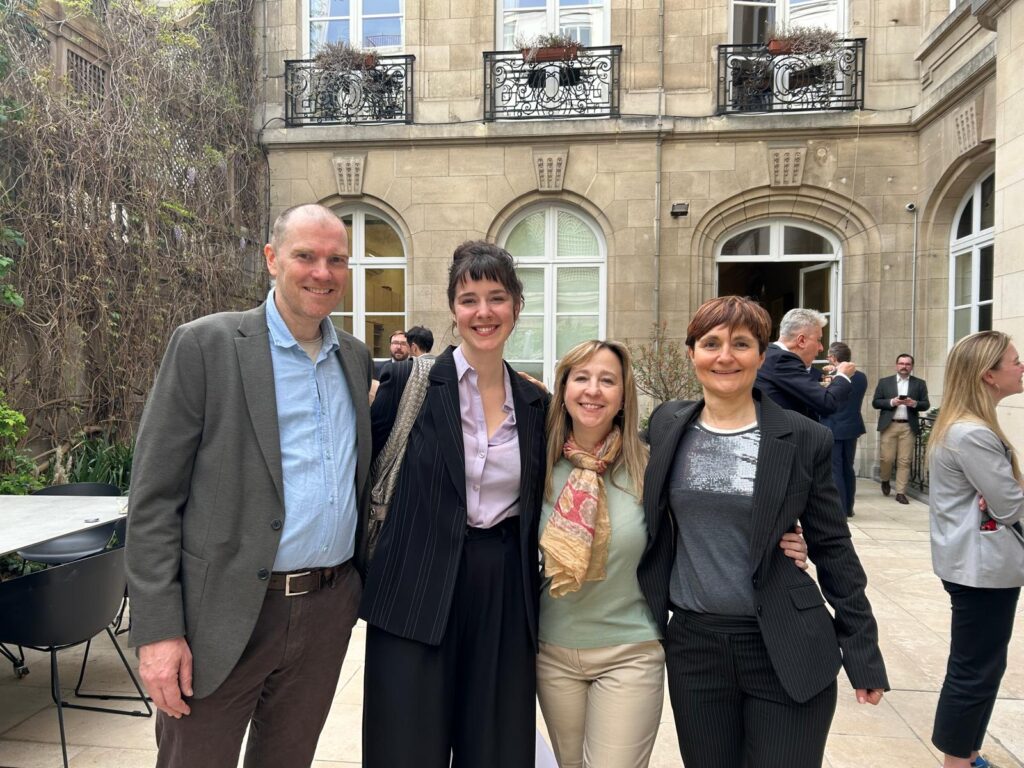
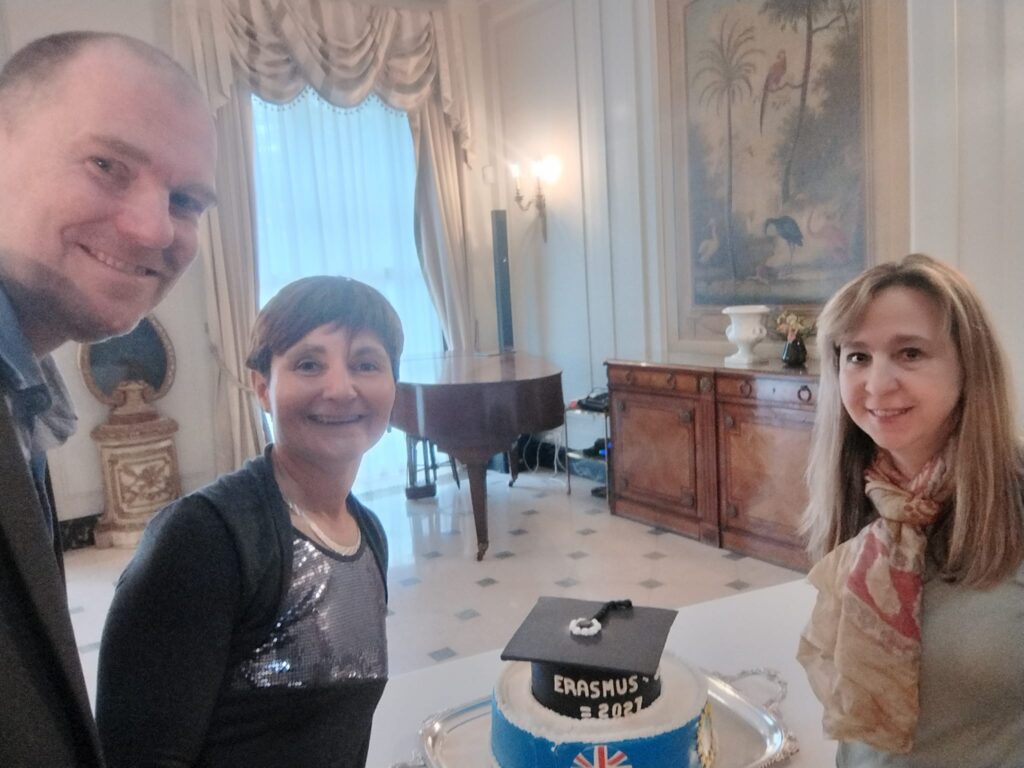
Over 100,000 people are expected to benefit in the first year, including students, apprentices, school groups, youth workers and educators. who will once again be able to take part in placements, exchanges and collaborative projects across Europe.
For Birmingham, a city shaped by its diversity and its deep connections to the world beyond its borders, the news lands with particular weight.
The British Council is set to become the UK’s National Agency for Erasmus+, supporting organisations applying to the programme and helping participants make the most of opportunities across Europe. This resumes a well-established role. Between 2014 and 2020, the British Council supported over 8,000 projects, engaging more than 580,000 participants and awarding around €1.1 billion to UK organisations.
What Erasmus+ actually does, and why it matters here
Erasmus+ is more than a travel scheme. It is a structured, well-funded programme that supports studying, training, volunteering and professional development across Europe. Funding covers both short- and long-term mobility and includes targeted support to reduce financial and practical barriers to participation.
That support matters in Birmingham. Too often, international experience feels out of reach for young people without the right finances or networks. Erasmus+ helps level that playing field, ensuring that background or postcode do not determine access to opportunity.
Evidence consistently shows that participants — particularly those from less advantaged backgrounds — gain long-term benefits: improved employability, stronger language skills, higher confidence and broader career prospects. Those are tangible outcomes that return home with each participant.
What it means for organisations in Birmingham
The benefits extend beyond individuals. Erasmus+ supports organisations across higher education, further and vocational education, schools, adult learning, youth and sport.
For universities, association restores access to staff mobility and collaboration. For colleges, training providers and youth organisations, Erasmus+ offers a reliable funding stream to build international partnerships that strengthen local provision.
Schools stand to gain substantially. Birmingham’s links with partner cities such as Leipzig already show that exchanges improve language skills, cultural understanding and global awareness. Erasmus+ provides the framework to scale this work further.
Hosting organisations benefit too. The perspectives and skills that visiting students, apprentices and educators bring enrich local institutions and reinforce Birmingham’s reputation as an open, outward‑looking city.
Birmingham’s moment
Learning has no borders. Opportunity should not have them either.
For too long, young people without the means or networks to access international experience have watched doors close — not because of a lack of talent or ambition, but simply because of circumstance. Erasmus+ does not solve every inequality, but it addresses one of them directly. It says to any young person in Birmingham who has ever wondered whether international experience was really meant for them: it is. The world is open to you.
Applications for Erasmus+ funding are expected to open in November 2026. Organisations and individuals can register for updates at https://www.britishcouncil.org/erasmusplus
Web design Adventure
