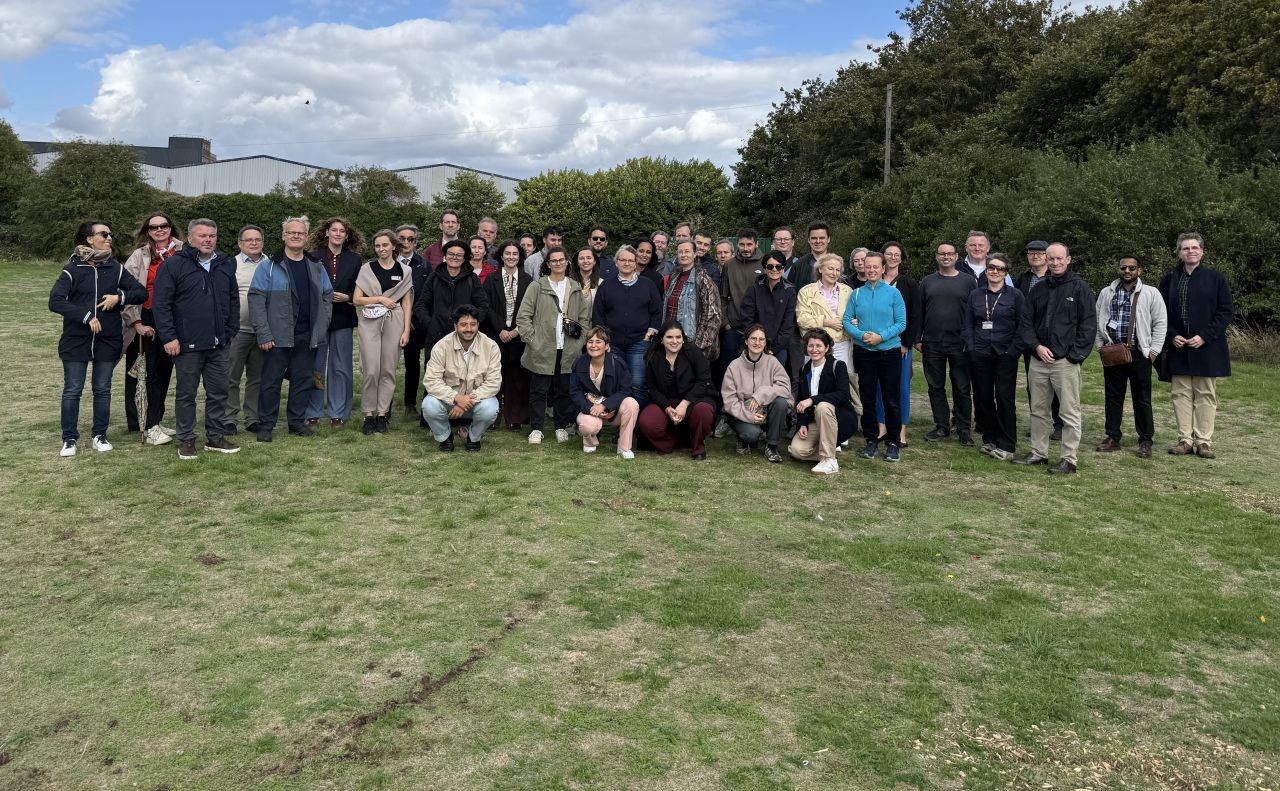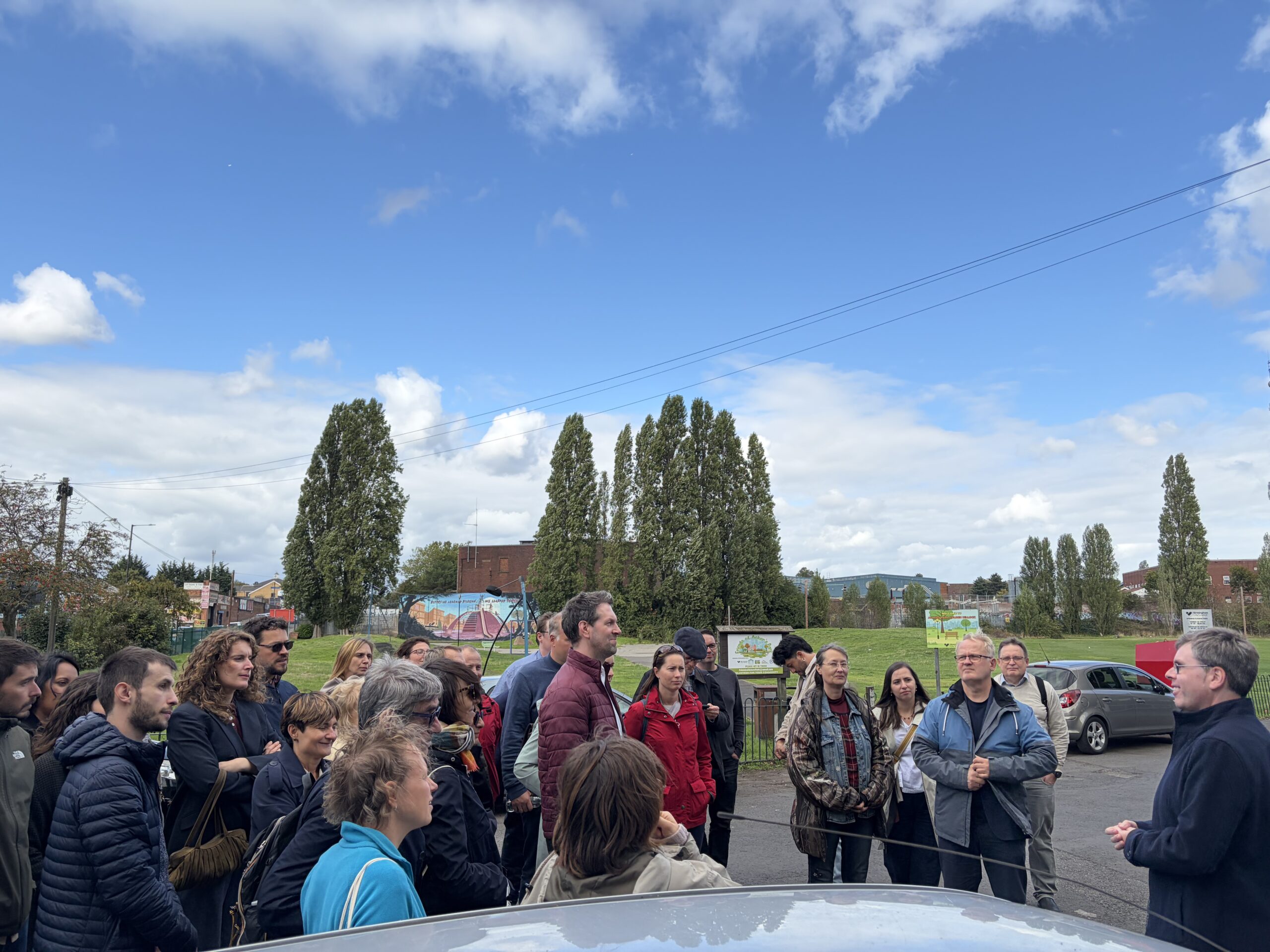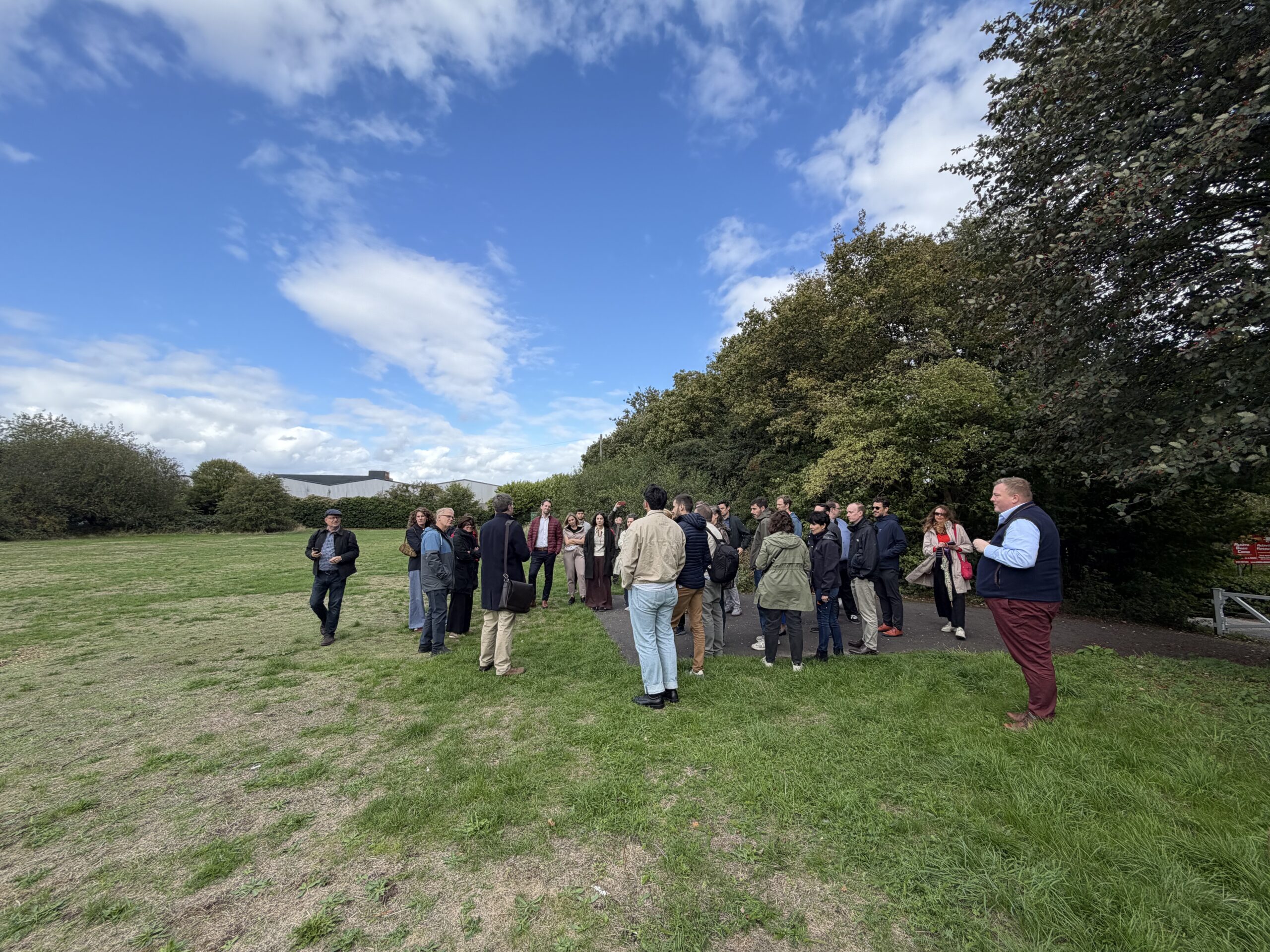

Aston University hosted the opening meeting of REGENSOILL last week, bringing together around 60 experts from 25 beneficiary organisations across 12 countries to launch a four-and-a-half-year mission project to bring contaminated brownfield back to life
Birmingham spent three days last week playing host to a genuinely European effort. From 16th to 18th September, Aston University’s Main Building became the meeting point for REGENSOILL, a Horizon Europe-funded project that will spend the next four and a half years trying to solve a problem most cities and regions recognise but few have properly measured: how to clean up industrial land safely enough to reuse it.
What REGENSOILL is actually trying to do
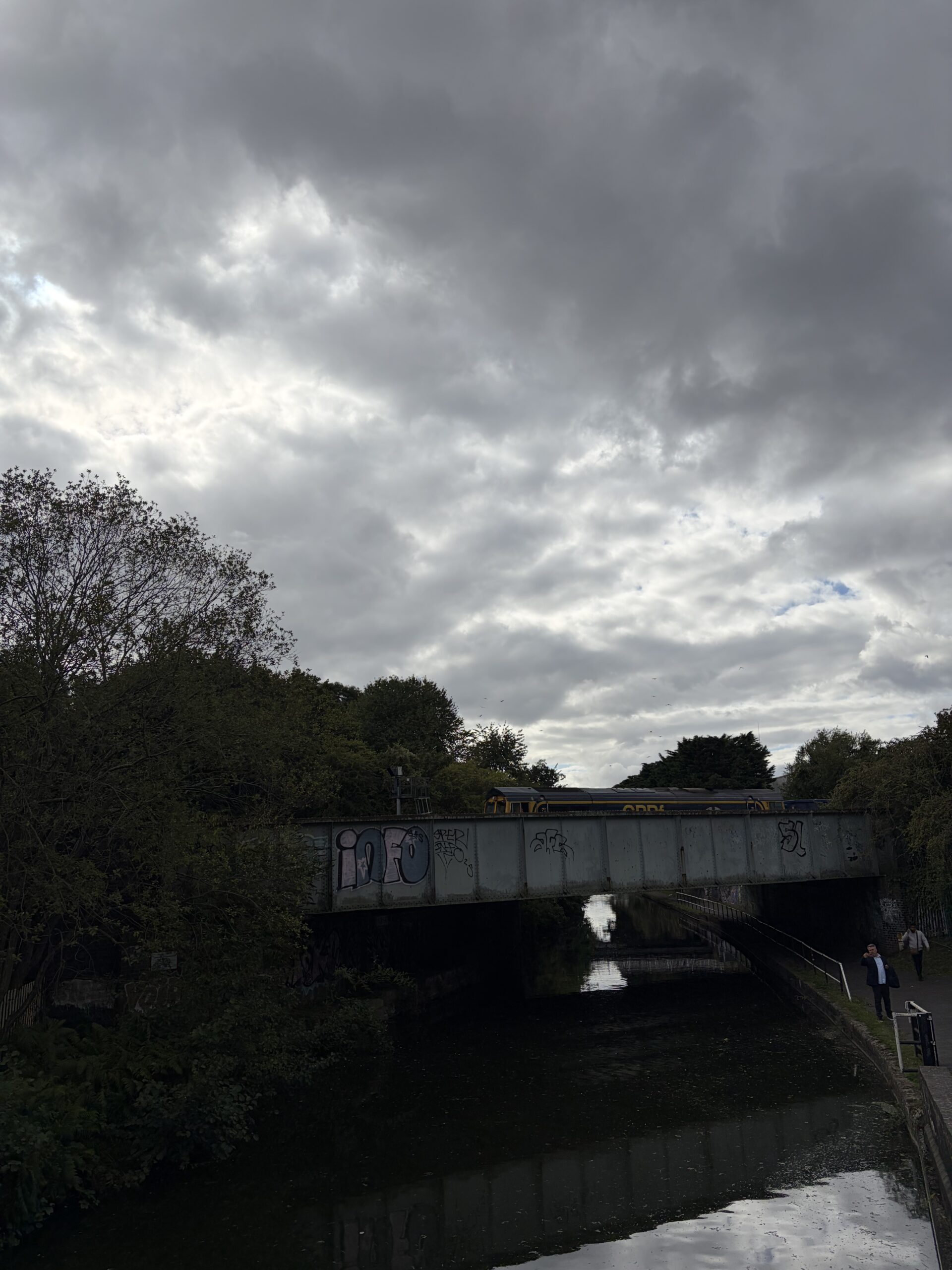
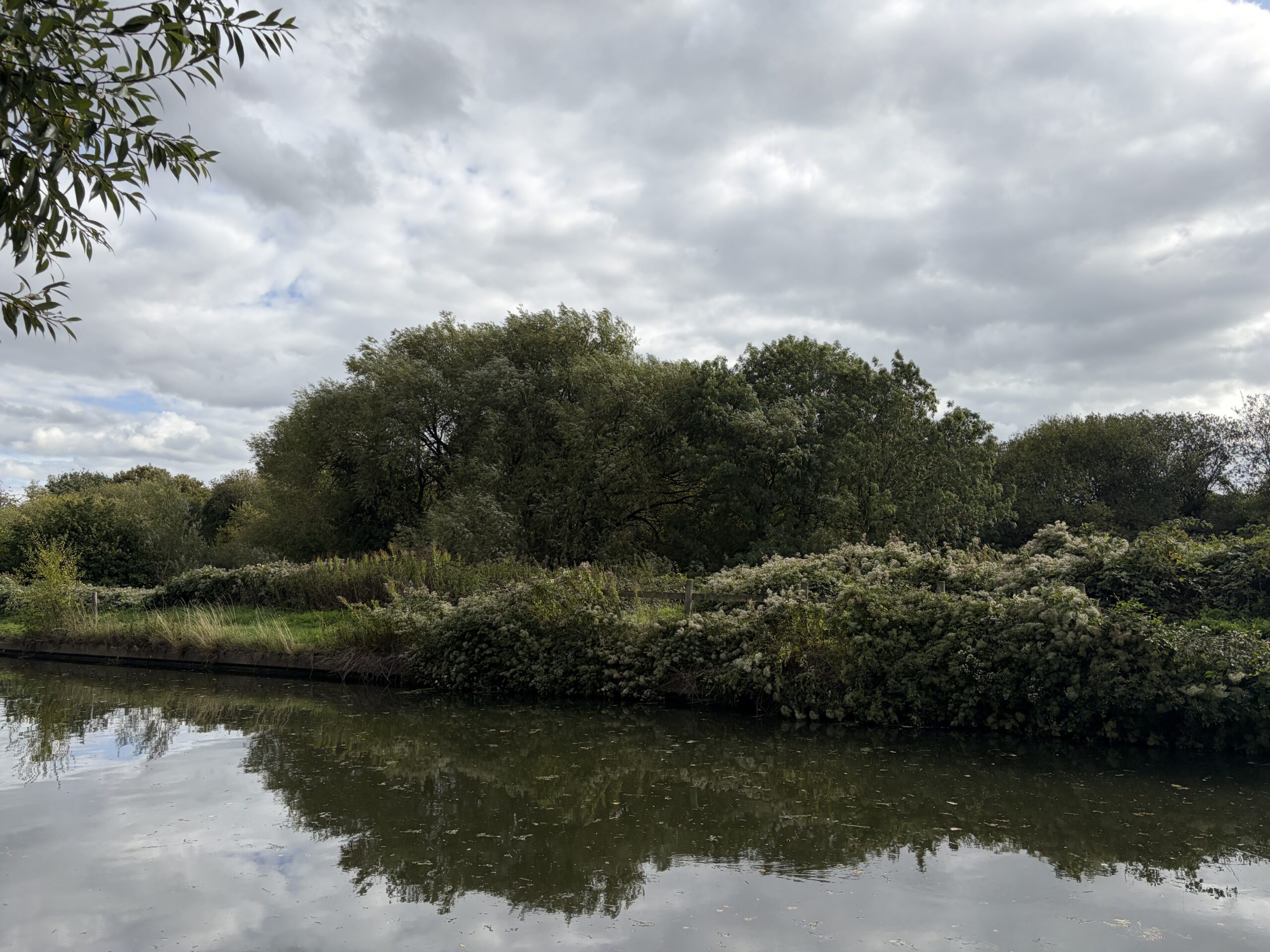
Brownfields (old factory plots, disused rail yards, former refineries) sit idle across Europe in far greater numbers than most people realise, held back less by cost than by uncertainty. Soil contamination gets assessed differently from one site to the next, which makes it hard for councils and investors to compare risk or commit funding with any confidence. REGENSOILL, funded under Horizon Europe, wants to close that gap by building a shared, trustworthy way of measuring and restoring soil health, using nature-based methods such as biochar, compost, vegetation cover and phytoremediation to draw contaminants out of the ground. The work will run across five Living Labs: Birmingham (UK), Budapest (HU), Lille Metropole (FR), Upper Silesia (PL), and a Baltic cluster (EE–LV–LT) that will become part of the soil mission living labs family. The objective is to set up 100 living labs all over Europe. Birmingham has become the first living lab in the UK!
Why it matters here
As mentioned, Birmingham is one of the five places where REGENSOILL’s methods will be tested on the ground, with Birmingham City Council and Aston University working together to identify 12 sites across the city. For Birmingham, that means a chance to understand the condition of its own post-industrial land and to try out practical ways of improving it, alongside partners facing similar challenges in Budapest, Lille, Upper Silesia and the Baltics. What works here can be shared with the other Living Labs, and what they learn will come back the other way.
What comes next
The consortium leaves Birmingham with a full calendar ahead of it: further meetings, setting up the structure of Living Labs in the 5 locations with specific function and governance and identifying the remediation sites in each lab. The project will also start collaboration with other soil mission projects and living labs.
Web design Adventure