
From policy talks to biotech ventures, Aston University’s Research and Enterprise team made its voice heard and helped shape Europe’s research & innovation agenda.
Shaping policy and innovation together
The UnILiON Annual Event in Brussels brought together leading universities and policy influencers to explore the future of European research collaboration. Aston University played a pivotal role in these discussions, being part of an expert session on the challenges of biotech university spin-offs, a high-level dialogue on FP10 and a panel on the role of universities in defining industrial strategies.
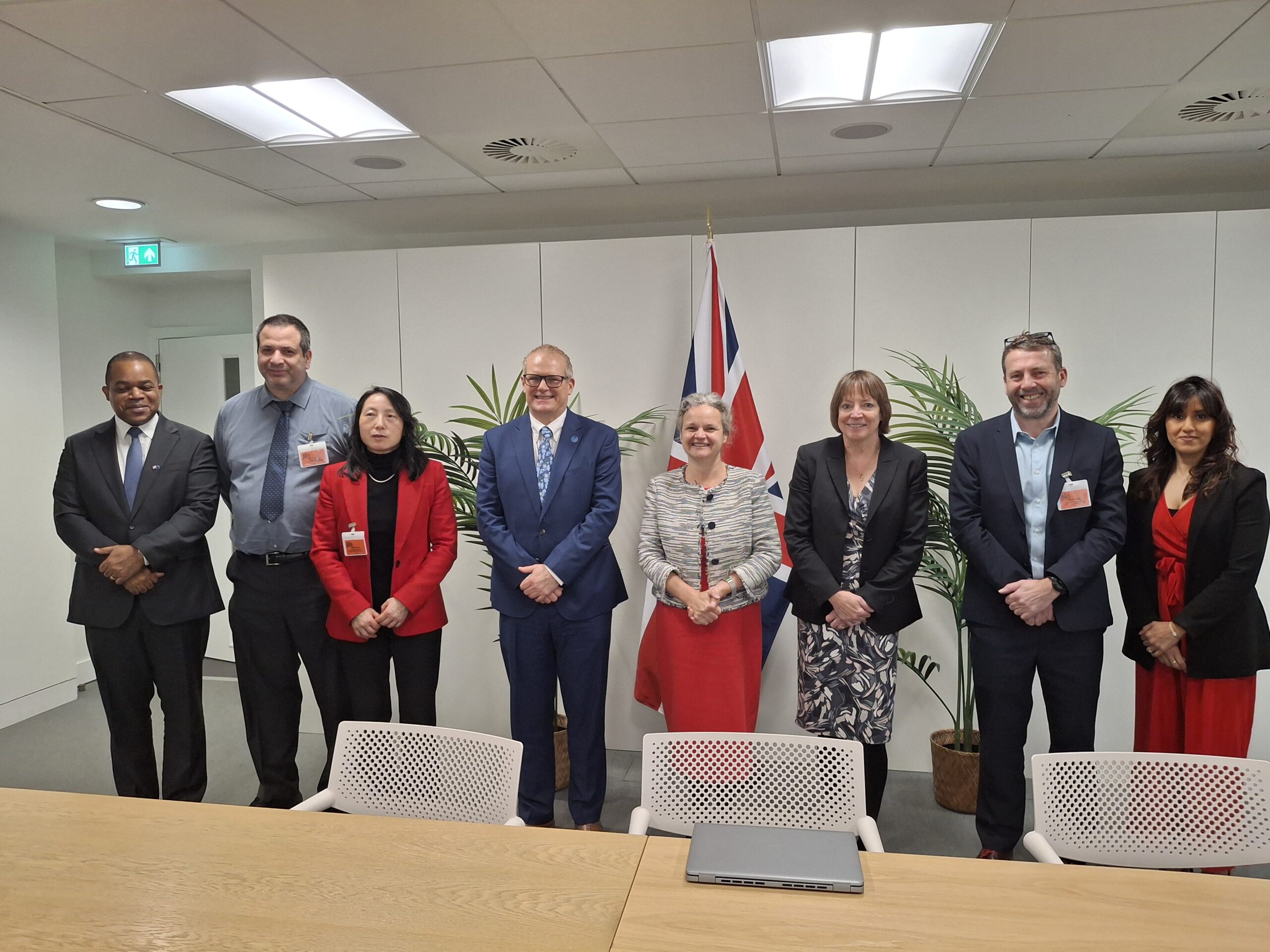
In addition, Aston also joined a UK delegation of senior university representatives at the UK Mission to the EU for strategic talks on UK–EU relations, Erasmus+, and the next steps for research and innovation. Professor Shivani Sharma and Professor Jun Jie Wu, both Deputy Pro Vice-Chancellors for Research and Enterprise, represented Aston in this visit, contributing to conversations on strengthening ties between UK and European institutions.
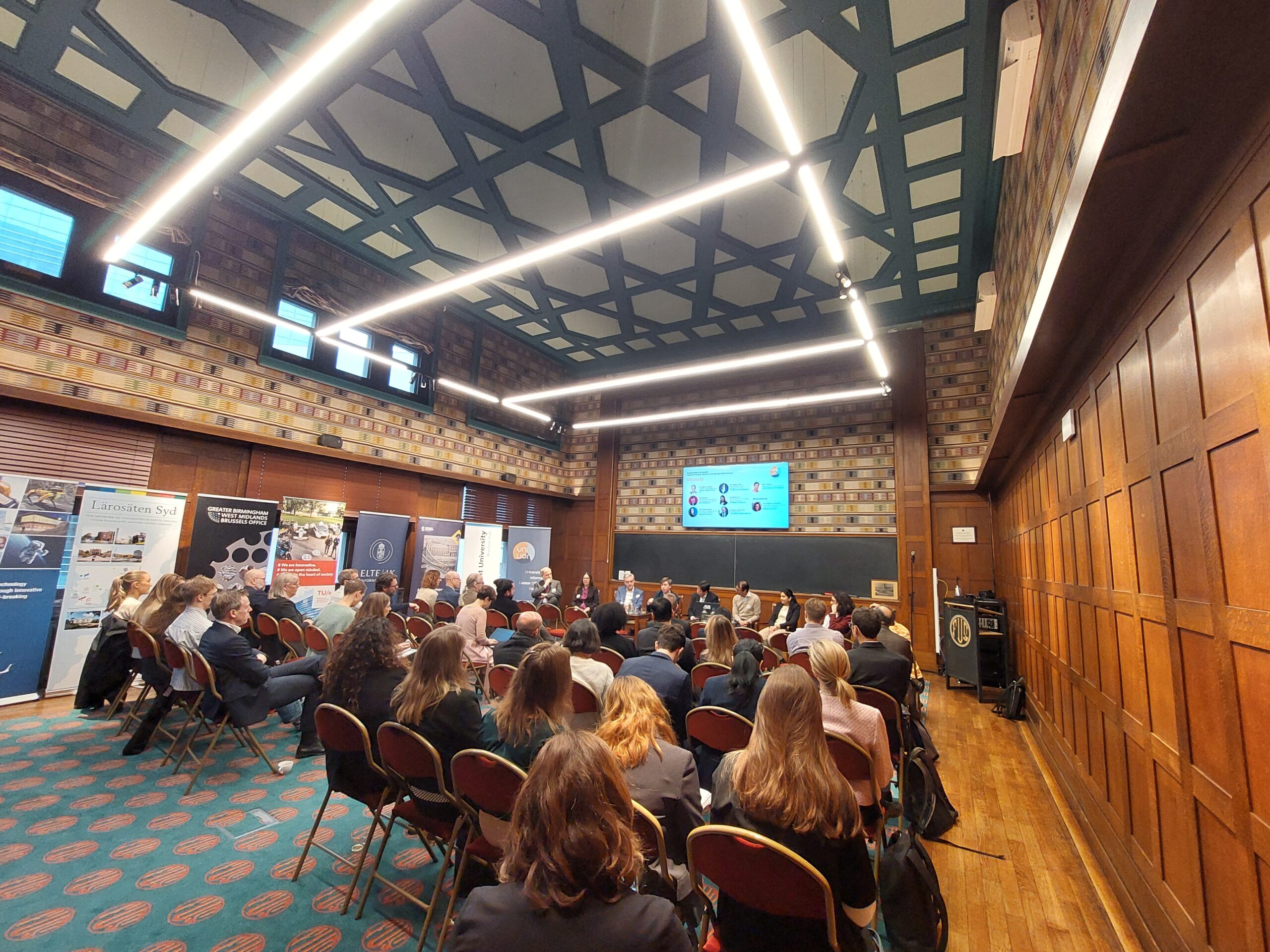
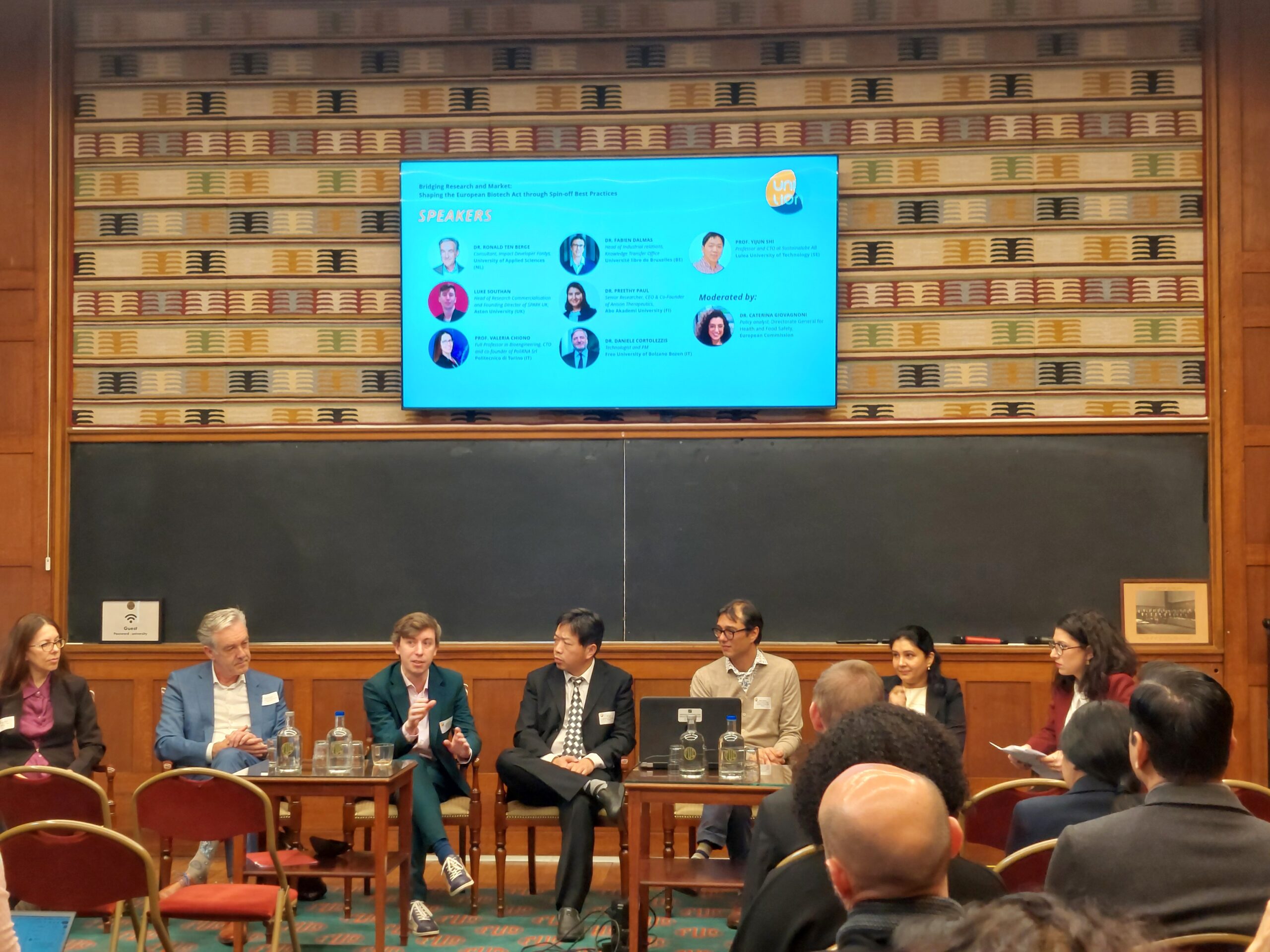
While policy talks unfolded at the visit to the UK Mission, Luke Southan, Head of Research Commercialisation at Aston University and Founding Director of SPARK UK, contributed to an expert session on biotech spin-offs in the context of the forthcoming European Biotech Act and shared Aston’s experience in supporting researchers through commercialisation pathways:
“We need educated investors who understand biotech’s timelines and risks. Too often, early spin-outs take money from non-specialist investors who push for quick returns—this can drive companies abroad or even to failure. Europe needs to take bigger bets at the grant funder level to help spin-outs succeed.”
Southan also highlighted Aston’s leadership in SPARK UK, a two-year technical support scheme for projects aiming to progress through clinical trials, reinforcing Aston’s role in shaping Europe’s biotech ecosystem.
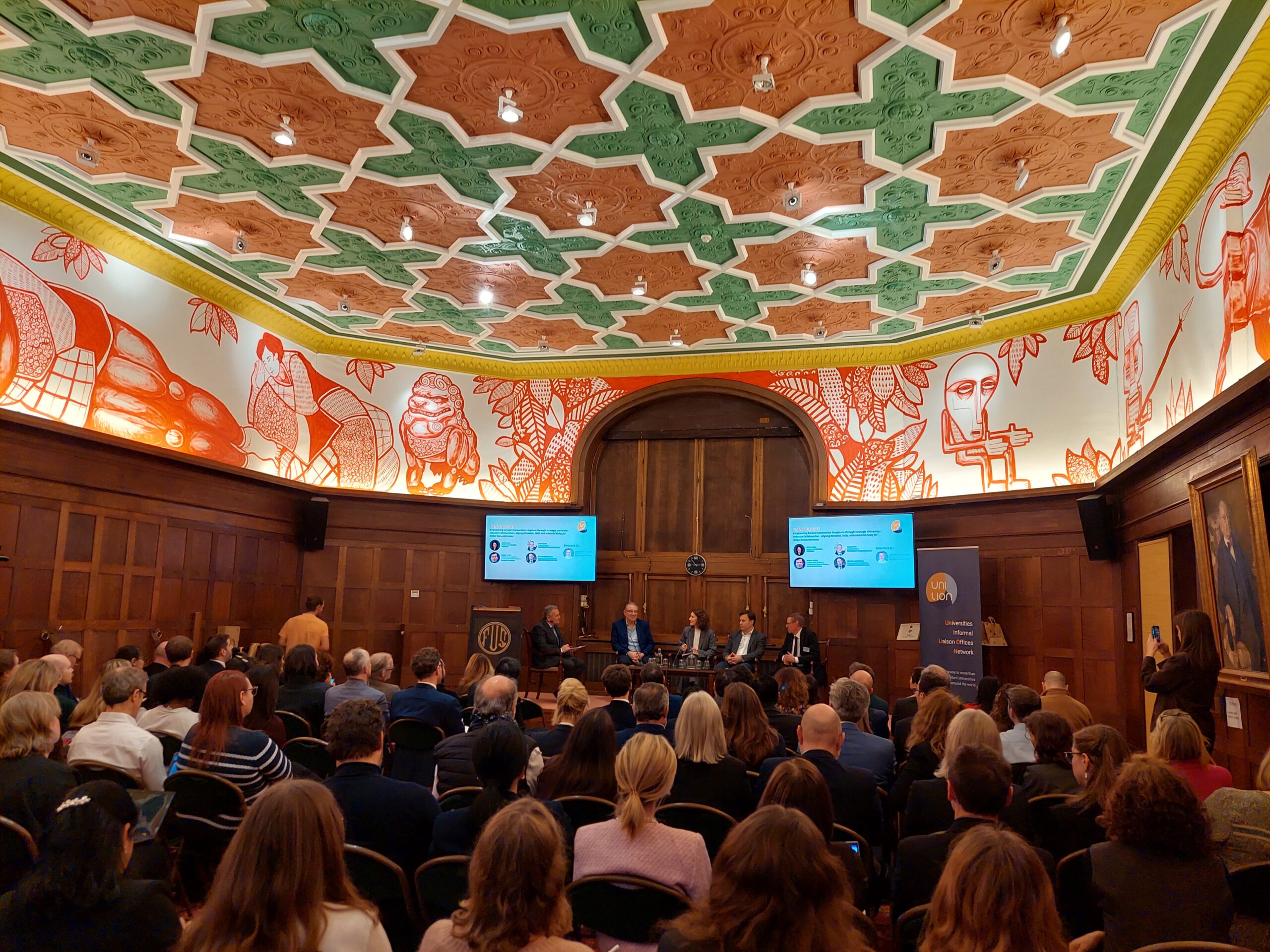
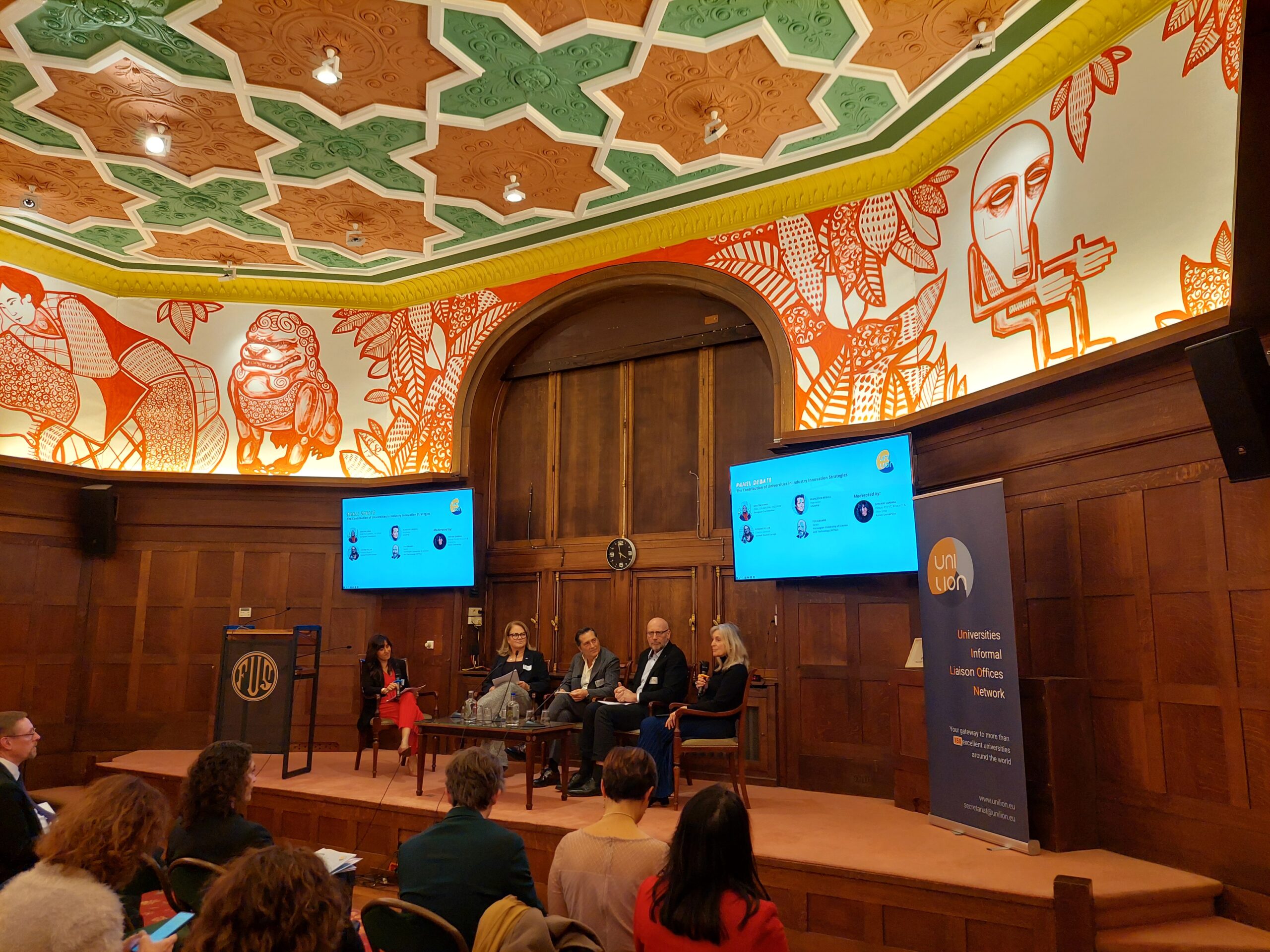
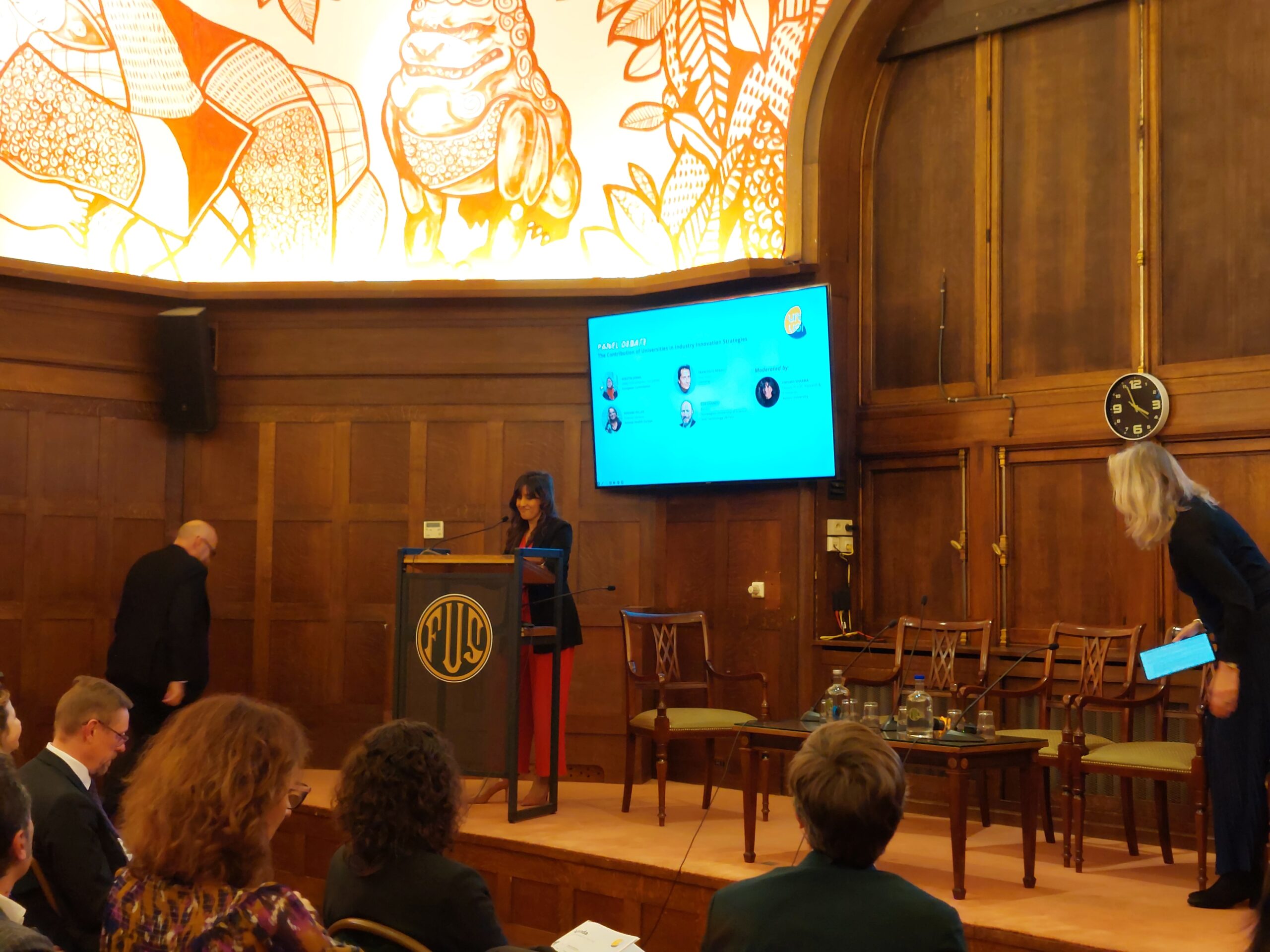
In the afternoon, during the public conference “Competitive Together: Universities and Industry for a Prosperous Europe”, Professor Sharma chaired the second panel, “The Contribution of Universities in Industry Innovation Strategies – From Research to Market”. The discussion featured insights from Kerstin Jorna (DG GROW), Tor Grande, Rector (NTNU), Francesco Regoli (UNIVPM) and Roxane Feller (Animal Health Europe). This session explored how universities can influence industrial innovation strategies by aligning research priorities with market demands, fostering partnerships with businesses, and supporting technology transfer. Panellists shared practical examples such as collaborative R&D projects, joint training initiatives, and the development of regional innovation ecosystems, reinforcing Aston’s role as a bridge between academic excellence and industrial competitiveness.
The trip wrapped up with a series of strategic meetings on Friday, where Aston explored new partnerships by meeting with representatives from the Joint Research Centre (JRC), the European Alliance for Social Sciences and humanities (EASSH), the CIVIS University Alliance, Region of South Denmark and Region Västra Götaland, from Sweden.
These conversations laid the groundwork for future alliances that will amplify Aston’s research impact across Europe.
As members of UnILiON, and through the Greater Birmingham and West Midlands Brussels Office, Aston University actively participated in UnILiON’s annual gathering, reaffirming its position as a leading university of science, technology and enterprise— demonstrated by the positive transformational impact we achieve for our people, students, businesses.
In addition, Aston University strengthened its commitment as part of the West Midlands Strategic Alliance by promoting European and international engagement for Birmingham and the West Midlands, acting as a collaborative partner dedicated to fostering innovation and policy development within Europe’s research community.
Web design Adventure