Birmingham City Council joined European partners in Lisbon for the first major consortium meeting of BLOSSOM
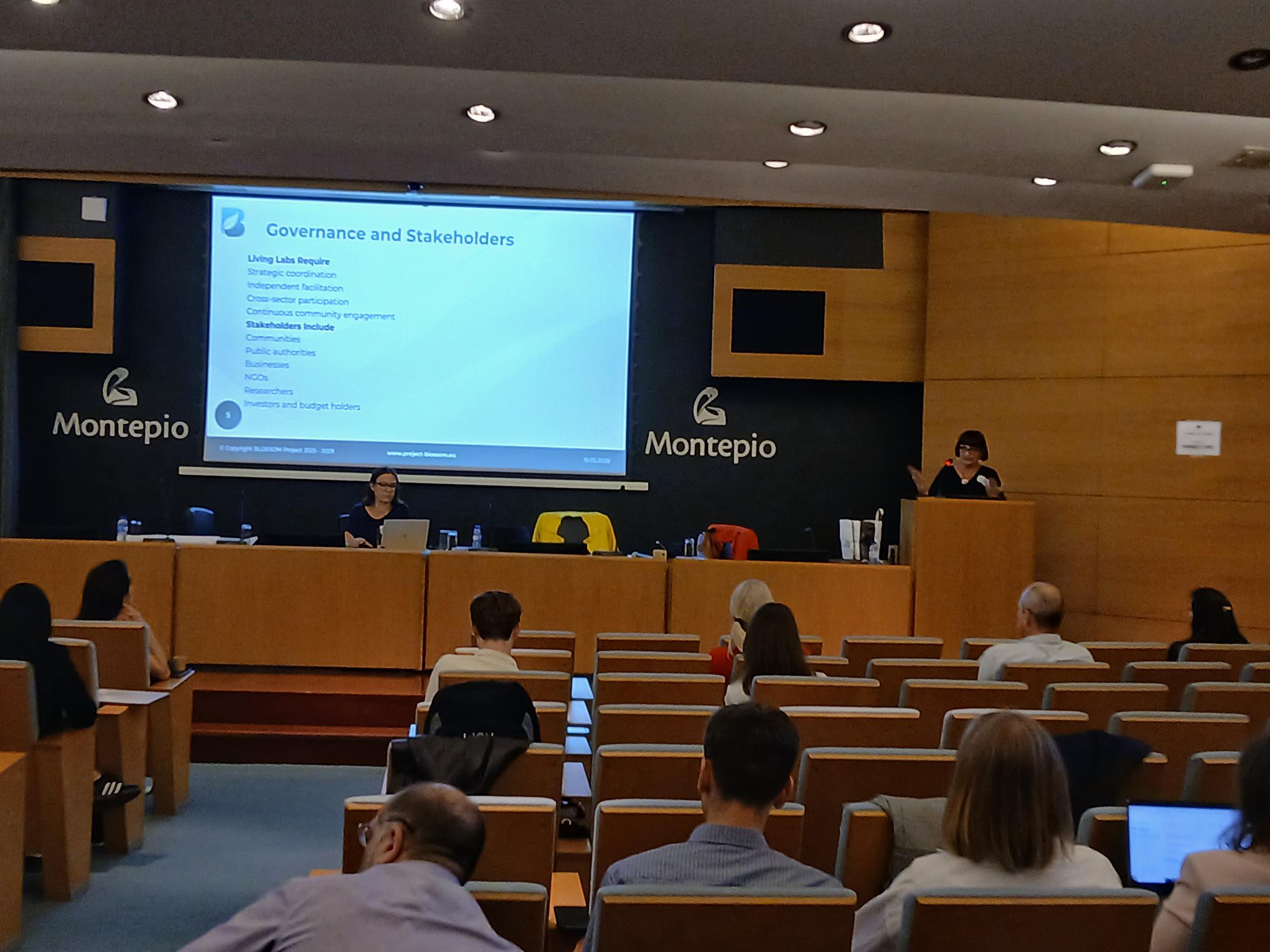
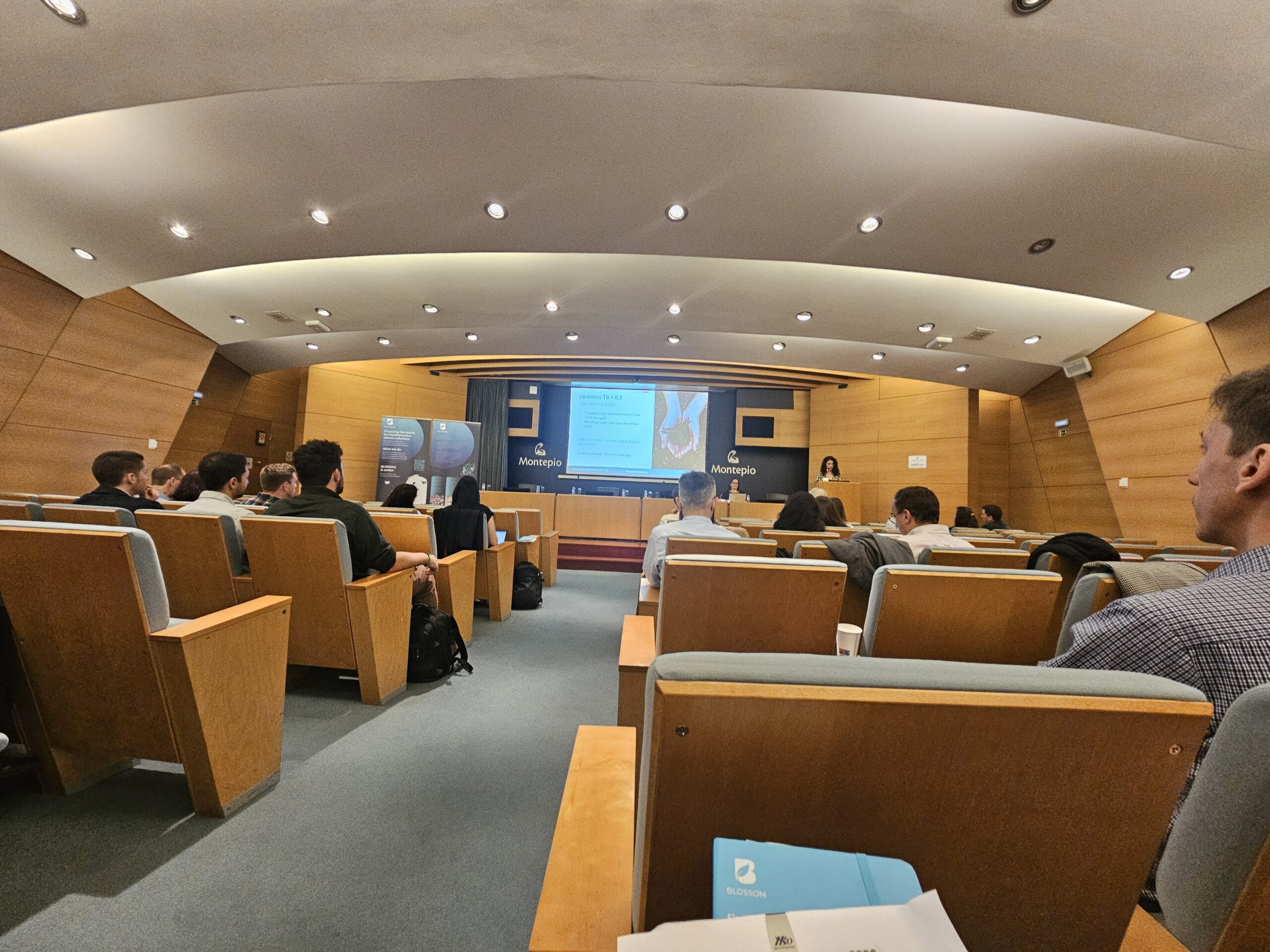
Representatives from Birmingham City Council travelled to Lisbon in May 2026 for the BLOSSOM project’s Partnership Meeting, hosted by The Lisbon Council. The gathering brought together over 25 partners from across Europe — research institutions, financial organisations, and city authorities — to align on the project’s direction and what each partner is expected to deliver over the coming years.
Birmingham as a Frontrunner City
BLOSSOM focuses on climate resilience, nature-based solutions, and urban regeneration. At its core is a challenge familiar to many post-industrial cities: how to attract private sector investment into climate action at a meaningful scale.
The project is built around the concept of “bankable solutions”, approaches that are tested in local pilots, then used as evidence to lever in private finance. These cities lead this work as Frontrunner Cities: Lisbon, Birmingham and Kielce. A further four Follower cities (Parma, Aarhus, West-Vlaanderen, and Alentejo) will replicate and adapt what the frontrunners demonstrate.
Birmingham’s pilot is focused on East Birmingham, where climate vulnerability sits alongside health and economic inequalities. The council is testing three types of bankable solutions: green walls for urban cooling and nature propagation, riparian planting along the river Cole for cooling, citizen science identifying pollution in the river Cole and exploring its legal consequences and and energy efficiency retrofits. New investment models, including public-private partnerships, community investment tools, and social impact bonds, are central to the approach.
What happened in Lisbon
The Lisbon meeting was a milestone for all consortium partners, and for Birmingham an important opportunity to present its pilot formally to the group and feedback on its experience of using a bankability tool. The bankability tool is a tool to help cities identify potential sources of private funding to support their nature-based projects.
Partners also worked through the structure of BLOSSOM’s Work Packages, clarified expectations around deliverables and events in 2026, and mapped out how learning will flow between the frontrunner and follower cities.
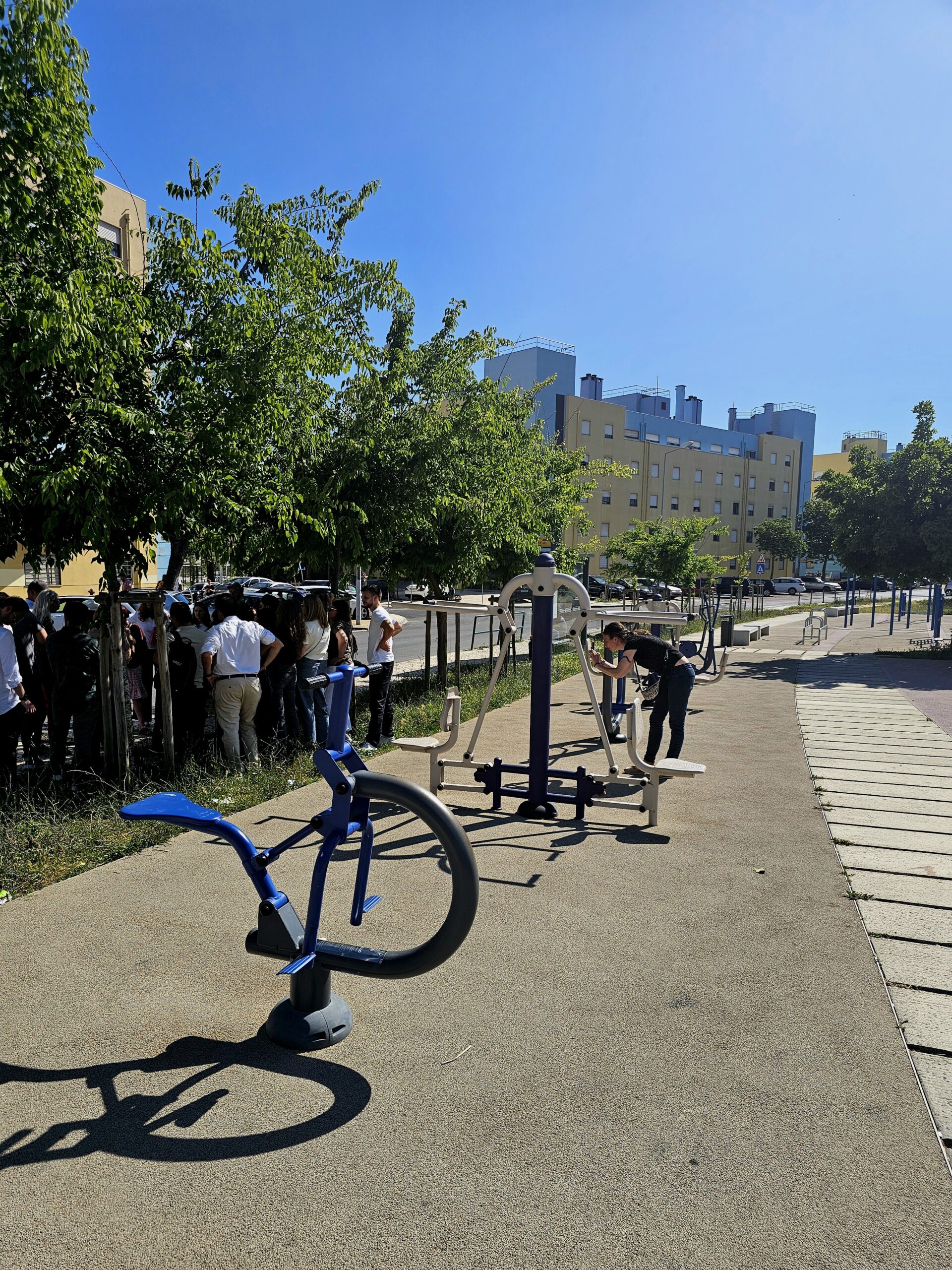
The group also visited Fidelidade, the oldest and largest insurance company in Portugal which has recently constructed its HQ with ground source heat pumps with a return on investment of just 8 years in energy savings. A similar investment in another building reduced monthly energy bills from 2,500 euros to just 150, making good financial sense as well as all the associated climate benefits. The consortium met several SMEs proposing climate neutral solutions such as cork as a natural insulation and low emissivity insulating films on windows.
Grounded in East Birmingham
The Birmingham pilot builds on work already underway across the city. The City of Nature Plan and the East Birmingham Inclusive Growth Strategy both feed into what BLOSSOM is trying to do — demonstrating that participatory, co-designed urban planning can produce outcomes that are not just environmentally sound, but financially viable and socially equitable.
Led by the Council’s Place, Prosperity and Sustainability Parks division, with support from the European and International Affairs team, the project runs until May 2029.
Looking ahead
With the consortium now aligned on priorities and working methods, Birmingham’s attention turns to delivering the East Birmingham pilot and meeting its 2026 commitments. Further consortium meetings and periodic reporting are planned through the project lifecycle, with the frontrunner cities expected to share emerging findings as the pilots progress.
Web design Adventure