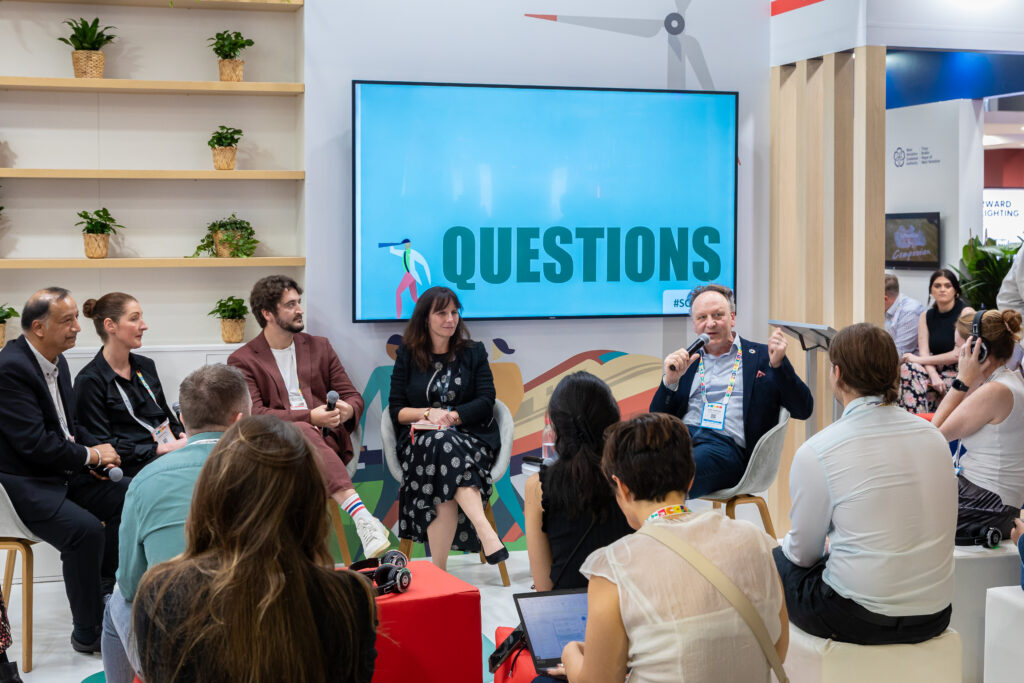
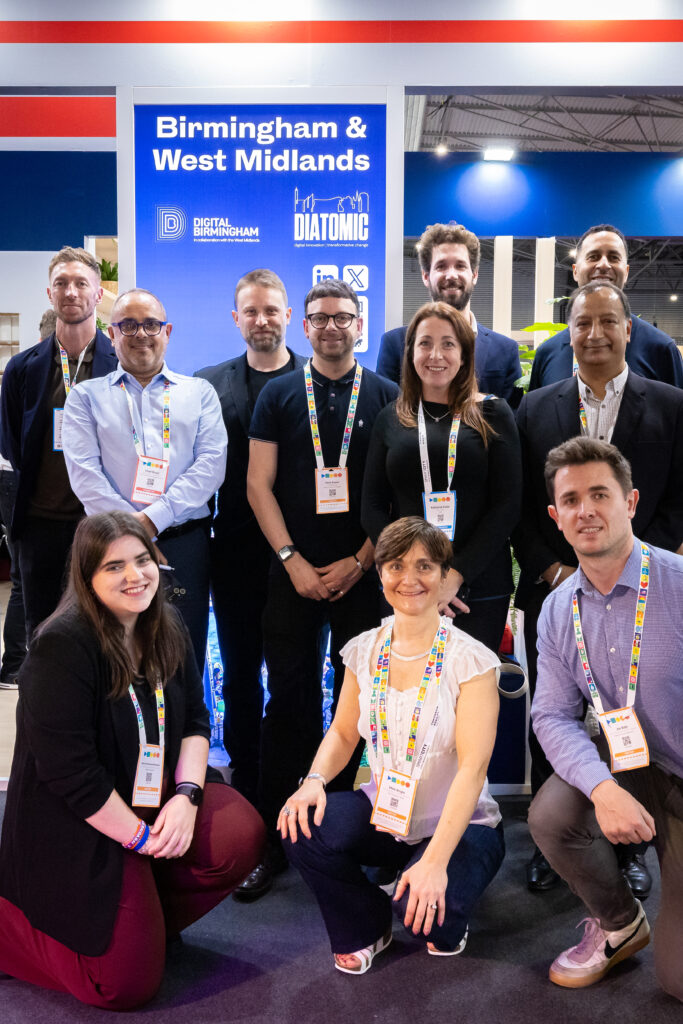
Birmingham-West Midlands made a splash at the Smart City Expo World Congress in Barcelona, proudly showcasing the innovative DIATOMIC project. Held from November 5th to 7th, this event brought together global leaders in smart city development to share and discuss the latest advancements.
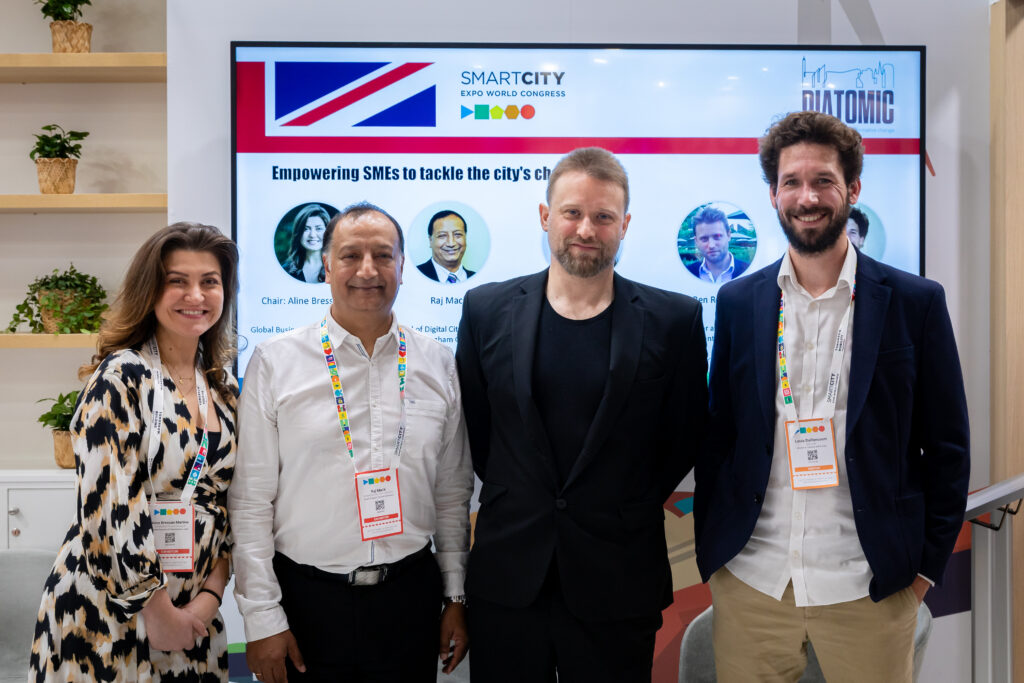
The excitement kicked off with a networking breakfast at the UK Pavilion, where the CPC CEO officially opened the pavilion. This was a fantastic opportunity for Birmingham-West Midlands representatives to connect with other cities and businesses. Later that day, the spotlight turned to the DIATOMIC panel discussion, “Empowering SMEs to Tackle the City’s Challenges“. Moderated by Aline Bressan Martins, the session featured Raj Mack, Ben Roberts, and Louis Daillencourt. They explored how SMEs can drive urban innovation by better utilizing resources, shifting from business as usual, and engaging users more effectively. Key takeaways included the importance of co-creation, design-led thinking, and the unique value SMEs bring to larger companies and public administrations.
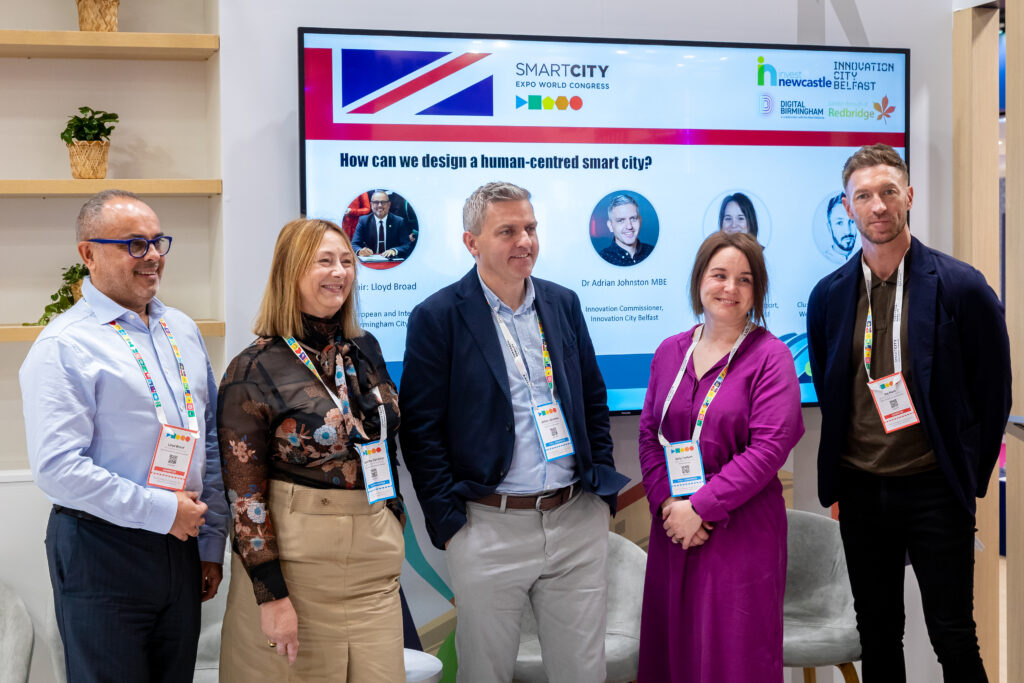
Birmingham’s presence remained strong with multiple sessions throughout the event. A highlight was the cross-city panel discussion on designing human-centred smart cities, moderated by Lloyd Broad from Birmingham City Council. The panel included Iain Mansell from the WM Combined Authority, Cassandra Gardiner from London Borough of Redbridge, Adrian Johnston from Innovation City Belfast, and Sally Herbert from Invest Newcastle. They shared insights on supporting inclusive innovation through strategic alignment, policy infrastructure, and financial support systems. The panel also tackled the challenges of ensuring technology serves all residents, particularly marginalized communities, and the need for long-term innovation funding and municipal capacity building.
Raj Mack also participated in a session on national data sharing, exploring how digital twins and regional initiatives drive collaboration and inclusivity in the UK’s digital future. Key points included the need for government support to develop effective data-sharing frameworks, balancing public-private partnerships, and managing intellectual property in collaborative environments.
An exchange of best practices between UK and Spanish cities saw representatives from Birmingham, Manchester, and Belfast share insights with their counterparts from Madrid, Badajoz, and Donostia. Birmingham showcased its commitment to digital transformation through initiatives like Digital Birmingham, emphasizing equity, economic competitiveness, and the drive to achieve net zero by 2030.
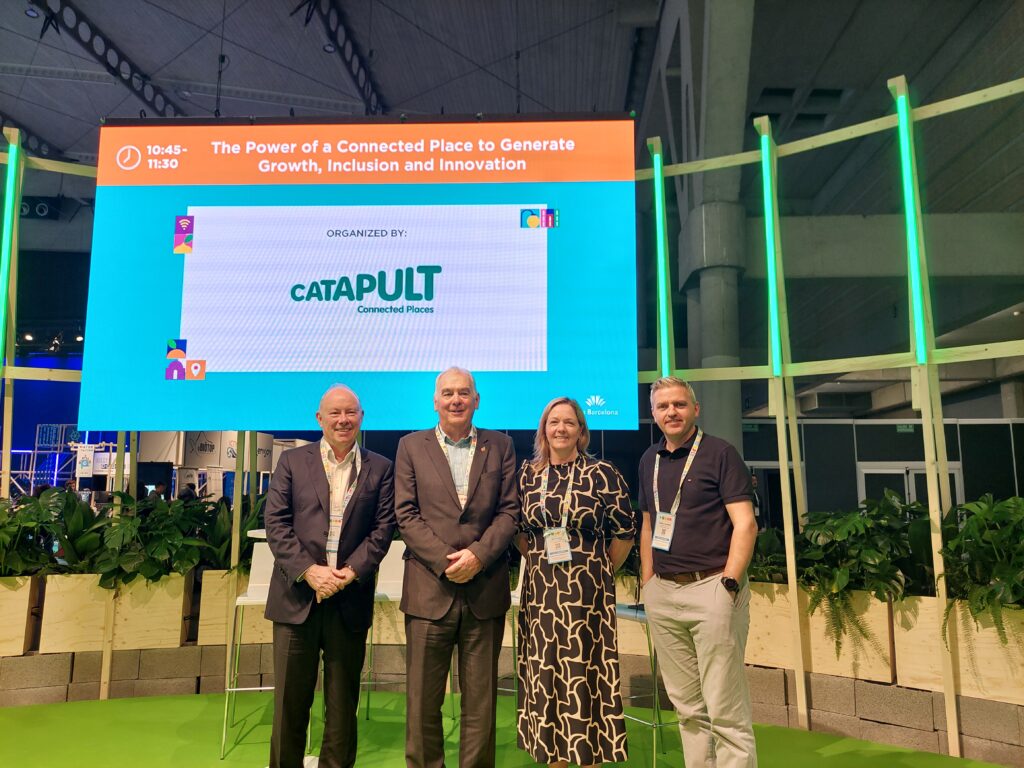
The final day featured sessions on the role of testbeds in evidence creation and a cross-UK session on the enabling power of connected places. Kath Fuller (Tech West Midlands) and Mike Wright (West Midlands Innovation Board Chair) were involved respectively in these discussions, highlighting the importance of digital infrastructure in smart city programs. Raj Mack participated in a session on digital infrastructure, emphasizing Birmingham’s initiatives and collaborations. Key takeaways included the importance of interoperability, effective data management, robust cybersecurity, and investing in high-speed networks like 5G.
Birmingham’s active participation and leadership in these discussions underscored the city’s commitment to innovation and collaboration in the smart city arena. The DIATOMIC project, in particular, showcased Birmingham’s dedication to empowering SMEs and fostering a collaborative digital future.